Trust and Tech – Building A Better Partnership
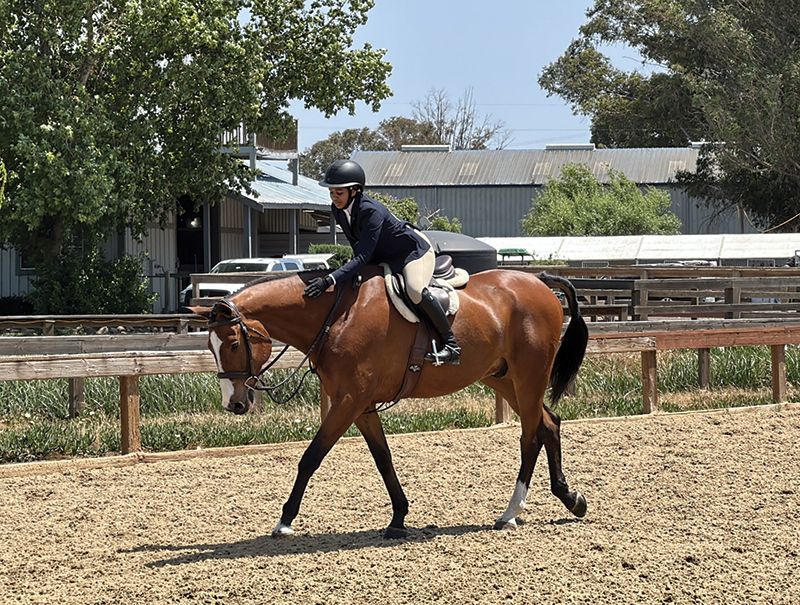
(Above): Shree Meenakshi gives her horse a pat on the neck after a round at a hunter show. Rewarding a horse with praise is one of the simplest ways to build trust. (Bala Kannan photo)
Riders understand their horse by watching, listening and trusting. Now AI will add new sets of eyes to barns. Shree Meenakshi, a high school senior, explains how the oldest horsemanship skill and the newest technology can work together.
Horses are perceptive animals capable of far more than we give them credit for. Each horse has a unique personality, which causes building a relationship to require patience, awareness and effort. Traditionally, trainers relied on observation and instinct to understand a horse’s behavior. However, with the rise of AI, training can become safer, more precise and personalized.
Horses communicate constantly and learning to read them is essential. Actions like pinned ears, biting or refusing to stand still are not always acts of disobedience; they can be forms of expression. These behaviors often indicate discomfort or lack of trust.
Confidence plays a major role in how a horse feels. If a rider appears unsure or scared, the horse may become unsettled. Conversely, consistent confidence helps establish a sense of leadership. This is not about dominance, but clarity. Patience and positive reinforcements, whether through praise or rewards, encourage cooperation. It helps the horse associate you with positive experience and not pressure.
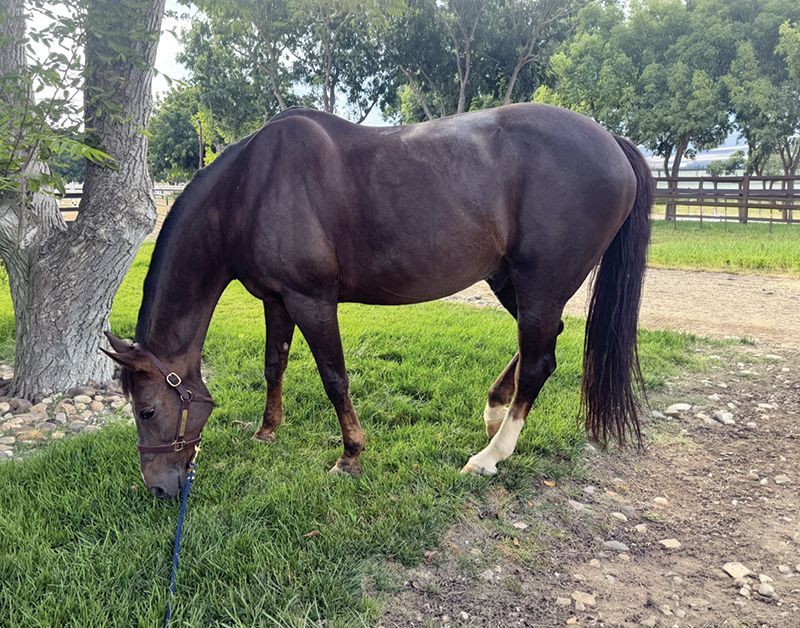
AI can study how horses move, track their health and create training plans for each horse. By analyzing video footage, AI can detect details even experienced trainers might miss, such as early signs of discomfort or imbalance. Devices like smart halters can learn a horse’s normal behavior patterns and send alerts when something changes. If a horse begins pacing excessively, resting less or showing signs of stress, the system can notify the owner immediately.
Imagine starting your day by filming your horse trotting and cantering. After uploading the video to an AI app, you receive feedback showing that your horse’s left stride is shorter than the right. You then adjust your training plan to improve balance. Over time, the AI tracks improvements, allowing you to make decisions based on data rather than guesswork.
Despite its advantages, AI has limitations. Poor video quality or lighting can affect accuracy, and cost can be a barrier. There are also ethical concerns, including data privacy and ensuring that horses are treated as living animals, not just data points. AI should be seen as a tool that supports trainers, not one that replaces human judgement.
Ultimately, working with horses is not just about training; it is about communication. By combining traditional horsemanship with modern innovation, riders, trainers and veterinarians can work together to better support horses’ well-being. AI is not about turning horses into data, it’s about using knowledge to understand them, protect them and help them reach their full potential.