Wanderlust: More Than A Pilgrimage – Ayodhya and Varanasi
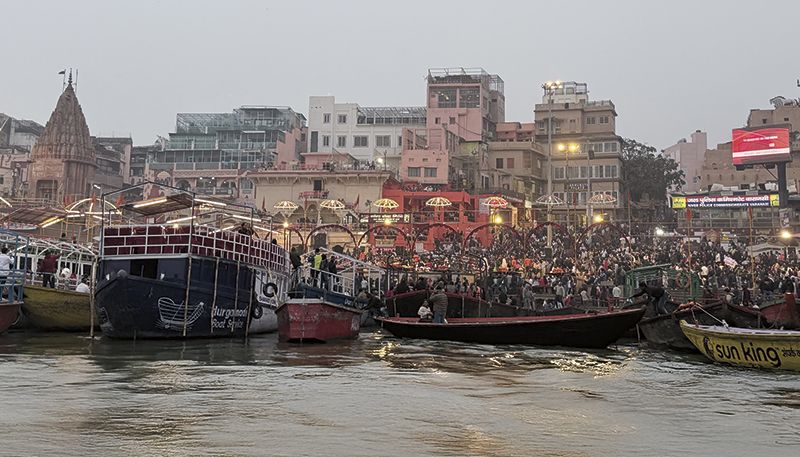
Varanasi’s world renowned Ganga Aarti at the Dashashwamedh Ghat (All photos: Shreeya Jain).
Forget what you think you know about these “spiritual” towns. These two ancient cities aren’t just pilgrimage sites; they’re enshrined with spectacles bringing in travelers from all over the world. The architecture and calmness hit different no matter who you are, where you’re from, or what you believe. Shreeya Jain writes about her recent trip to Ayodhya and Varanasi.
Ayodhya and Varanasi are two of the most ancient cities on the planet. Although they’re renowned as cornerstones of Hinduism, it’s only part of the story. Western travel coverage forgets that these cities host some of the mostvisceral experiences ever. You don’t even need to be Indian or Hindu to feel it. You just need to see it to believe it.
Ayodhya: More Than You Expect
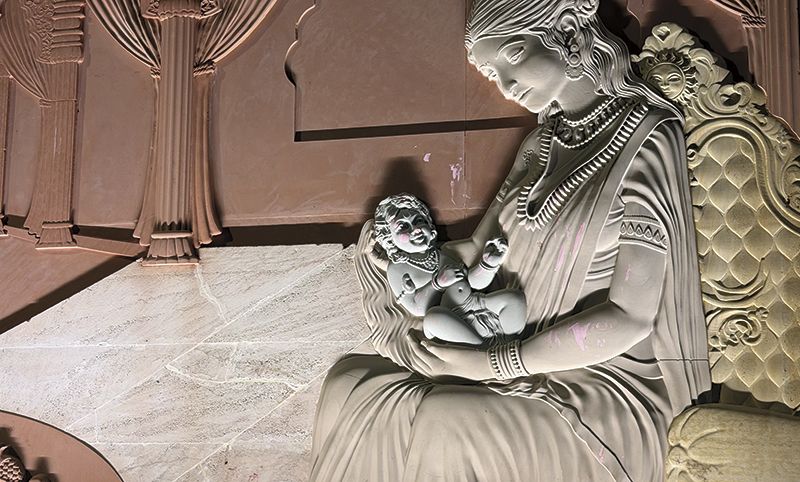
If you’ve only heard of Ayodhya through headlines, you’d mistake it for a politically charged destination with religious significance. The reality is different. The city is undergoing a massive radical transformation: new infrastructure, restored ‘ghats’, and at its center, the Ram Mandir.
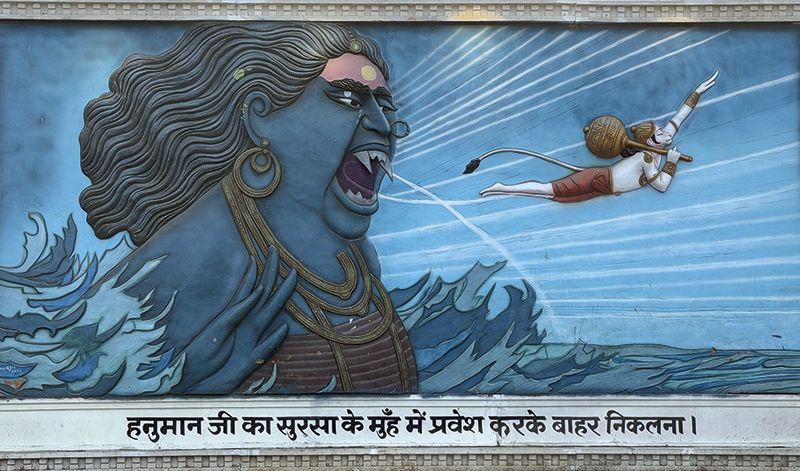
Cultural and religious significance aside, the temple is an architect’s heaven. The carvings are intricate, meticulous, and of skillful craftsmanship. Thousands of people cycle through daily, and energy is always brimming. At the heart of the temple sits the Ram Lalla idol, carved by sculptor Arun Yogiraj. It’s striking. Even if you don’t know a thing, the craftsmanship is bound to catch your eye.

Then there’s Hanuman Garhi, an ancient hilltop temple overlooking the city. The climb is short but steep, but the panoramic view makes the steep climb worth every step. Atop the temple, one sees the old city with new construction, with the river glistening in distance. Total and utter bliss.
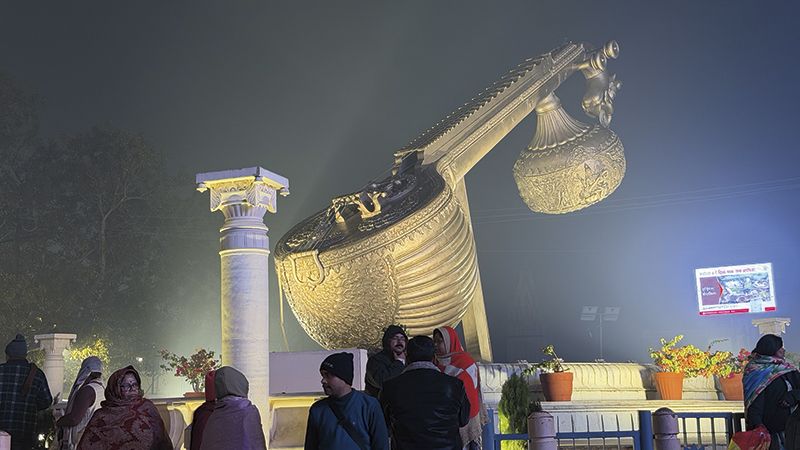
But the real beauty shines at dusk: Saryu Ghat. Off the banks of the Saryu River, Saryu Ghat comes alive for the evening aarti. This part is difficult to convey through text. The sound of temple bells layered overflowing water, the low hum of chanting from hundreds of people, the oil lamps reflecting off the river; it’s a once-in-a-lifetime spectacle, yet it’s a routine occurrence in Ayodhya. Again, one has to see it to believe the enormity of this spectacle.
Varanasi: Sensory Overload in the Best Way
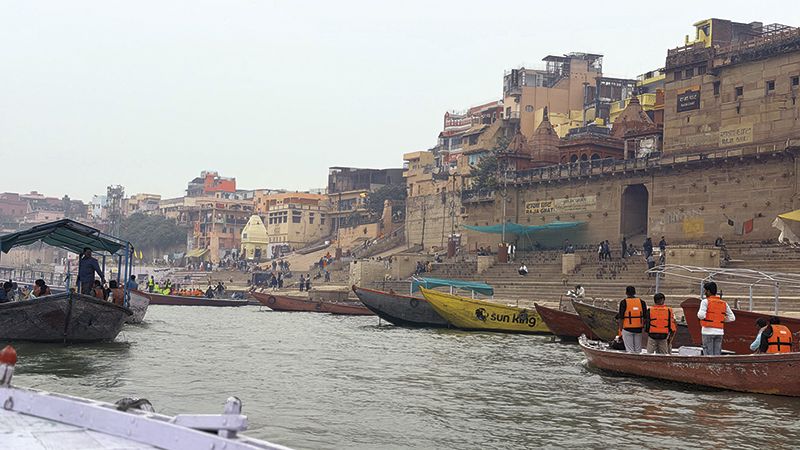
If Ayodhya is a slow burn, Varanasi is a wall of sound. It is often cited as the oldest continuously inhabited city in the world. Processing life, death, spirituality, commerce, art, and pure chaos for around five thousand years. Nothing about it spells subtle.
The Kashi Vishwanath Temple anchors the city’s center. The gold-covered spire catches sunlight in a way that’s almost theatrical. The open courtyard creates a sense of space that’s rare in a city this dense.
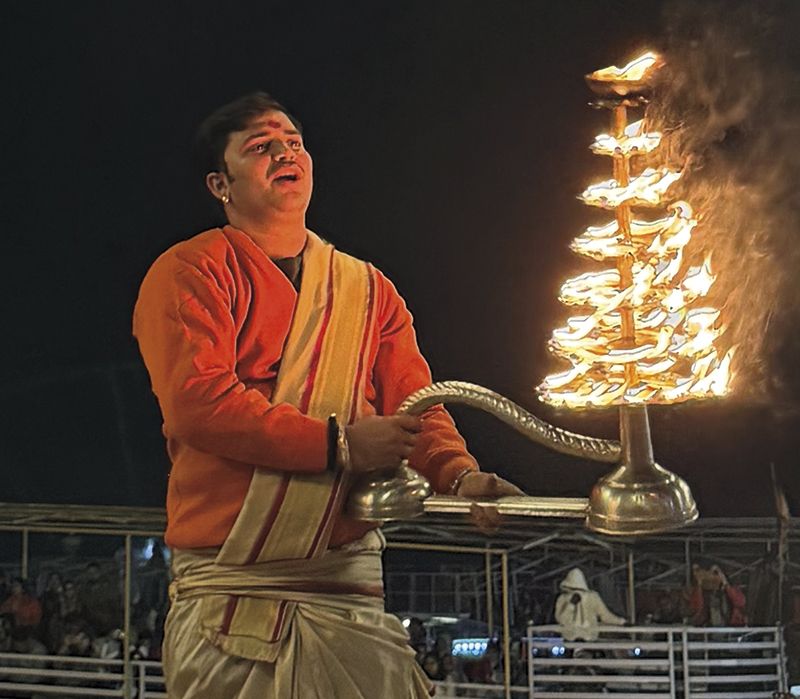
But Varanasi’s special feature is the Ganga Aarti at Dashashwamedh Ghat. As the sun sets behind the Ganges, priests line the riverbank with massive diyas and begin a ceremony that’s equal parts ritual and spectacle. Hundreds of small boats crowd the river, packed with visitors, be it Indian families, European backpackers, or Japanese tour groups. It is, without exaggeration, one of those rare travel moments that transcends cultural context. You may not understand a single word, but you absolutely can feel it.
Don’t take my word for it, take British motoring legend James May’s word for it. He believes it was one of the most extraordinary things he’d ever witnessed.
The Less Marketed Side of India

Western travel media has a habit of flattening India into few categories: luxury retreats in Rajasthan, the Taj Mahal in Agra, or poverty tourism in the slums of major cities. Ayodhya and Varanasi are “hidden” gems for Western travelers.
These cities will leave a strong impression on you. If the architecture doesn’t stagger you, the food will. From the street-side kachoris to the chai that somehow tastes better from a clay cup. Pair that with constant sensory stimulants, the bells, the incense, the colors, the crowd energy, the river, the lights… You get the point. The scenery will stick with you long after your flight home.
Ayodhya and Varanasi aren’t checkboxes. Whether your family has been visiting these ghats for generations or you’re Googling “what is aarti” right now, it doesn’t matter. Go. Stand on the banks of the Saryu at dusk. Take a boat on the Ganges at night. Let the sounds and the light and the sheer intensity wash over you.