Frequent.Flyer: We Love Air India? – A Silicon Valley Traveler’s Dilemma
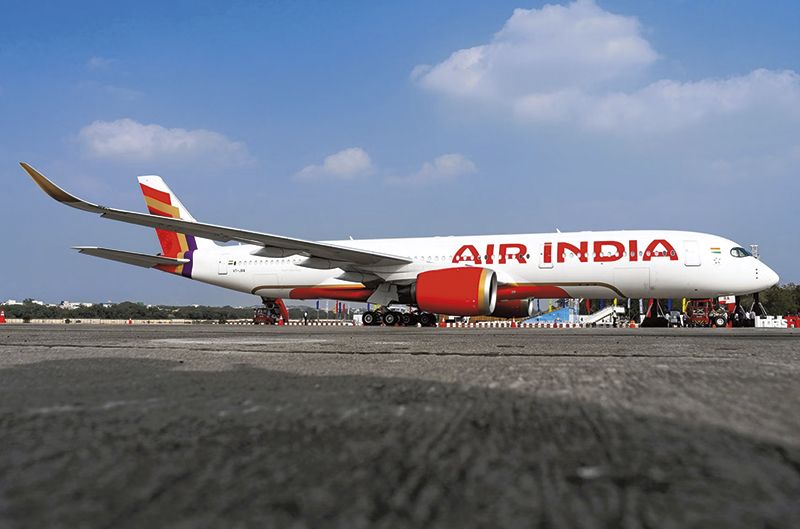
Air India’s Airbus A350, part of the airline’s significant fleet renewal efforts, now operating long-haul routes including U.S. destinations (Air India Media Library).
Every year, the Bay Area’s South Asian community has the same debate: Air India or someone else? The heart says Air India. The broken screen on row 34 and lack of helpful service says otherwise. Neil Naidu writes on what it’s like to choose between practical convenience or a comfortable ride to the Motherland.
SKIP THE READ. LISTEN INSTEAD. CHECK OUT THE CON CAST FOR MORE.
Every Bay Area family has had the Air India argument. It starts in the family WhatsApp group a few months in advance. Your mom insists on Air India because “no transit, straight to Delhi.” The Google-employed cousin chimes in with his Emirates business class photos from last year. Then your dad says, “what is wrong with Air India?” and nobody wants to answer that honestly.
So let me be the one to answer it.
Air India is beyond just an airline for many Indian Americans in the Bay Area. It serves as an emotional connection to home. The food, the Hindi announcements, and the feeling that you’re already halfway home the moment you board. But in 2026, emotion doesn’t excuse a product for not keeping up with Silicon Valley expectations.
Reports suggest that Air India has axed its nonstop San Francisco flights to both Mumbai and Bengaluru. These routes served as two of the longest nonstop flights in the world and held immense significance for Silicon Valley families with ties to India. Simple Flying reported that 156,000 passengers flew the Bengaluru route alone in the year till October 2025, but three out of four of them chose a different airline over Air India. That tells you everything.
Air India is increasing its Delhi to San Francisco service from seven to ten flights a week to compensate. But is that enough? Convenience was the only apparent reason people chose Air India.
Heading to Bengaluru or Mumbai? You’re headed to Delhi first. This makes matters worse when in-flight cabin crew fail to serve any passenger requests and airport staff are apathetic towards travelers. Now compare that to an alternative, such as Emirates.
Before the current geopolitical climate, Emirates flew an A380 out of SFO to Dubai, with seamless connections to every major Indian city. Singapore Airlines routes through Changi, rated the world’s best airport. United offers Star Alliance miles and its own SFO–Delhi service. Cathay Pacific is returning to Seattle this year. Most of these airlines either use A350s or 787 jets. Even Virgin Atlantic has increased routes to India via London. The entertainment systems work and the crew makes you feel welcome from the moment one checks in to the moment one arrives at their destination
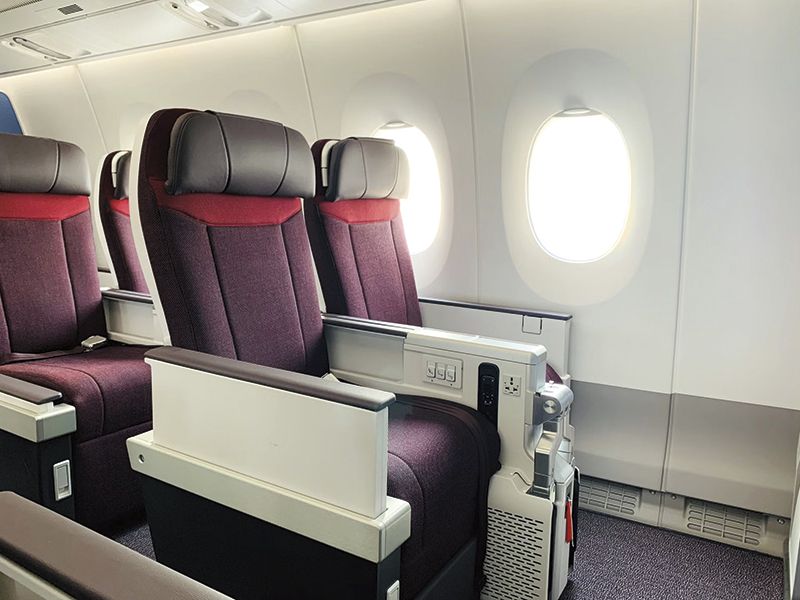
The A350 and 787-9 fleets that Air India is building represent a clear shift toward penetrating the global competition. With the newer A350, Air India now operates to London or New York with its greater reliability, quieter cabins, modern seating, and better in-flight entertainment. This shows the capability of Air India and the “Maharaja” experience. That makes it even more frustrating for us Bay Area natives.
But is that enough?
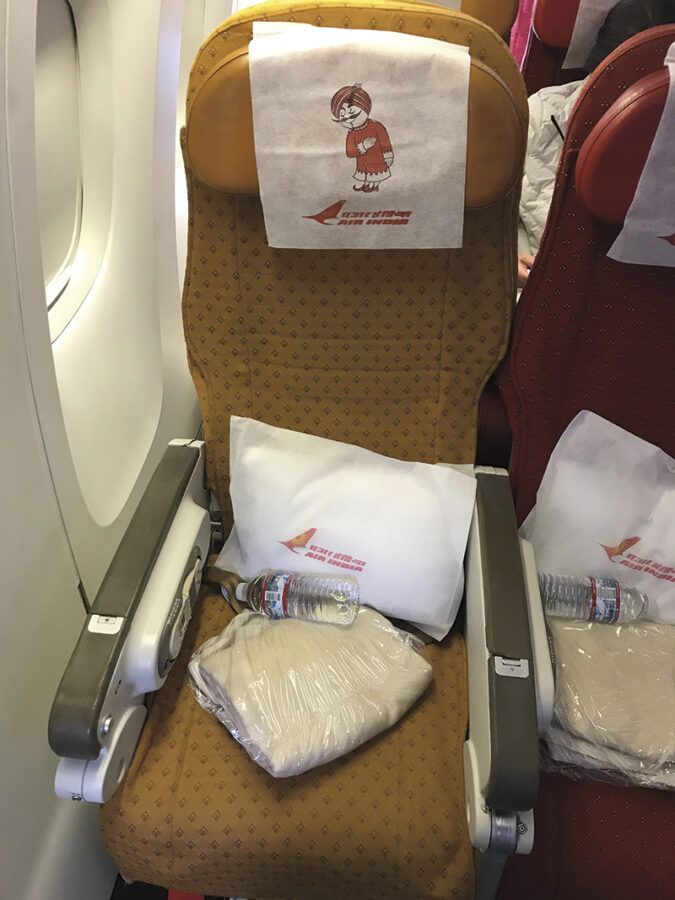
Passengers report worn seating, malfunctioning in-flight entertainment screens, and inconsistent cabin maintenance on the aging 777s still flying the SFO route. Add this to rude ground staff and a lack of care for passengers and Air India seems to be more lack than luster. In fact, members of the Siliconeer team have had multiple negative experiences aboard Air India.
To be fair, the Tata Group’s transformation plan is ambitious. CEO Campbell Wilson called 2026 “a real year of transformation.” Six new widebody planes are en-route, including the first A350-1000s and Boeing 787-9 Dreamliners. Reports suggest 81 percent of Air India’s international flights should operate with upgraded cabins by year’s end. For Bay Area travelers, these aircraft connote progress and a long-awaited improvement in comfort and reliability. So maybe not today, but it’s coming and that is exactly what we are looking for.
The South Asian community in Silicon Valley is not that fussy. All we ask for are modern aircrafts, reliable onboard entertainment, working seat hardware, strong maintenance oversight, and better customer service standards. Okay, maybe we are a tad bit fussy. But then again, Bay Area is one of Air India’s most critical international markets and some decency isn’t too much to ask when the journey is more than 15 hours.
I’m not writing this to bash Air India. I’m writing this as someone who grew up watching my family book Air India because it felt like the right choice. But our generation makes decisions differently. We read reviews, compare lounges, and have certain in-flight expectations. We prefer better service and staff that seems to care. We’re not choosing Emirates or Singapore Airlines to make a statement. We choose them because they have the better product.
For a community that significantly depends on safe, comfortable, and efficient travel between America and India, the stakes remain high. Air India has new aircrafts on order, a CEO with Singapore Airlines pedigree, and some goodwill of the diaspora. If the airline successfully aligns fleet modernization with route planning and better service standards, it has the chance to restore confidence and deliver an experience worthy of its new ambitions. The question is whether 2026 will be the year that Air India can materialize on their promise. Only time will tell.