UC Davis NeuroFest 2025: Nerves and The Unknown
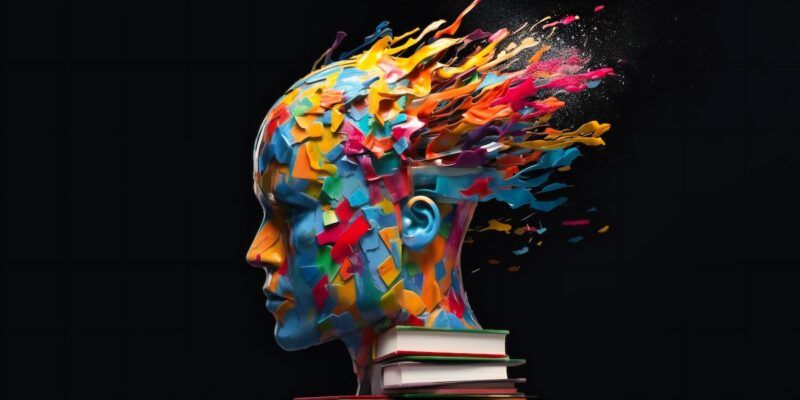
When you hear the word “festival,” you might imagine music, food, or colorful booths. NeuroFest at UC Davis isn’t that kind of festival. Instead, it’s a day dedicated to something far more fascinating: the human brain.
Walking in, I expected lectures, maybe a few posters, and a quiet crowd of students taking notes. But the room was alive. Kids crowded around interactive exhibits, researchers animatedly explained their projects, and undergraduates guided hands-on activities. It felt less like a science event and more like a space where curiosity ruled, where everyone, no matter their age or experience, was invited to ask questions and explore.
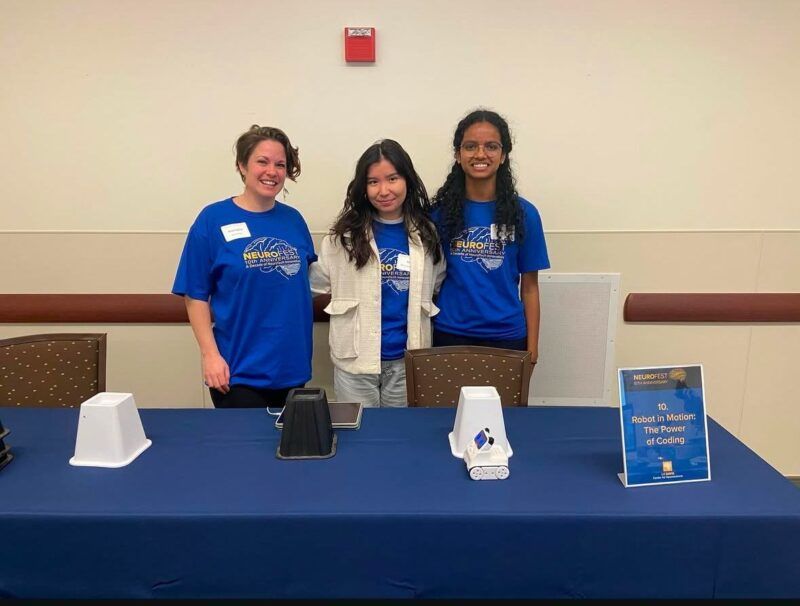
I started out volunteering, expecting small tasks: handing out papers, helping set up tables. Instead, I was assigned to Robots in Motion, a booth where children learned to code small robots through obstacle courses. At first, I froze. I was surrounded by college students who seemed confident and experienced, while I questioned whether I even belonged. But as soon as the first group of kids arrived, something shifted. One little girl typed her first set of commands, and the robot stopped, spun, then moved in a completely unexpected direction. She giggled, confused but thrilled, and I found myself laughing, too. That moment reminded me that learning, whether for kids or volunteers, is rarely perfect, but it’s always meaningful.
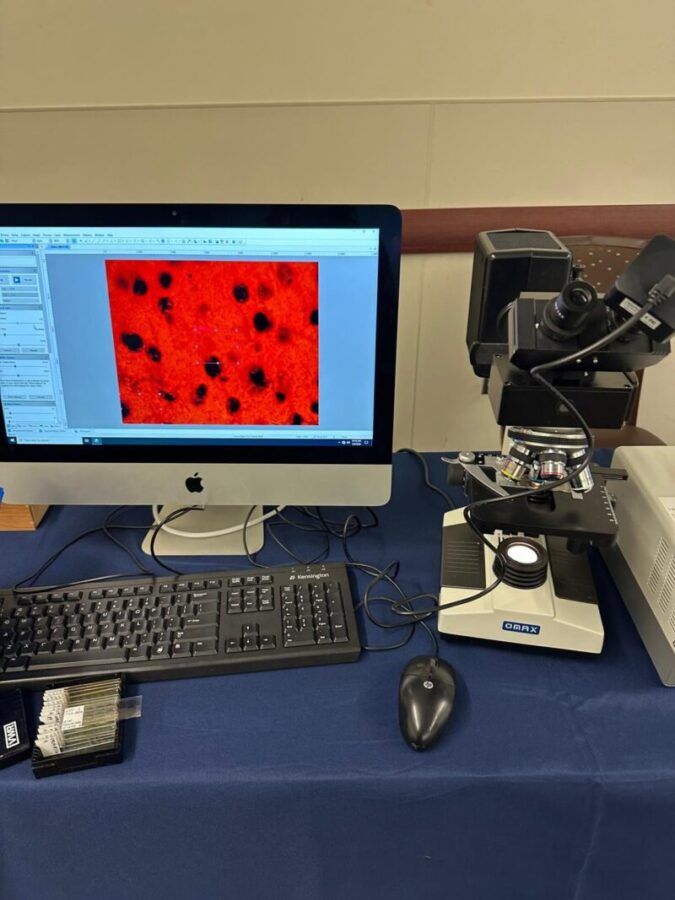
Between shifts, I wandered through the exhibits. There were model brains to touch, colorful posters showing new research tools, and talks on memory, perception, and neurological diseases I had only vaguely heard of before. One lecture on Alzheimer’s research stayed with me. The scientists weren’t just explaining cells or proteins; they shared stories about families navigating memory loss, about what it means to hold onto identity and connection. I realized that neuroscience isn’t just abstract knowledge; it’s deeply human. It’s about understanding ourselves and others, and about approaching the unknown with patience, curiosity, and empathy.
What surprised me most was how much the environment invited participation. I asked questions I wouldn’t normally dare to ask in a classroom. I watched a boy carefully guide his robot, falter, and then succeed, and I felt a surge of pride in his small victory. These moments reminded me that growth is messy and unpredictable, and that showing up is often the hardest but most important step.
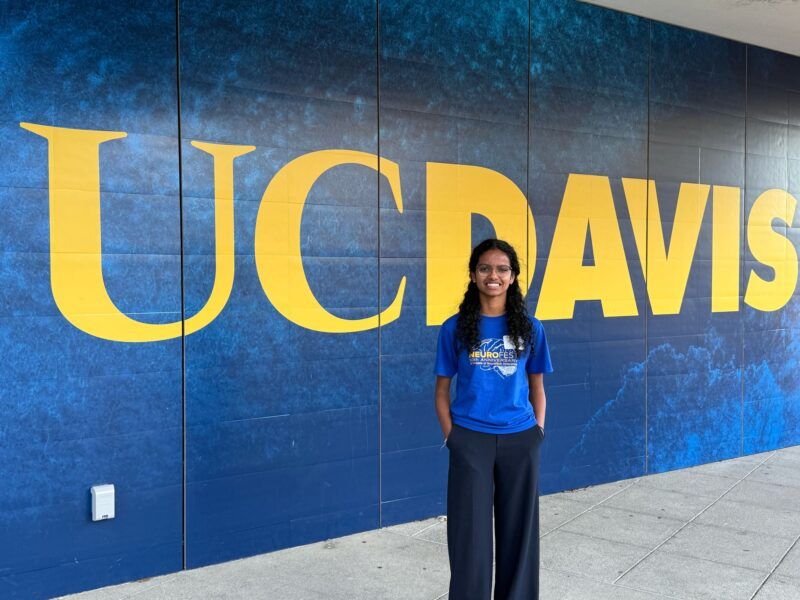
By the end of the day, NeuroFest had taught me more than I expected. I didn’t just learn about the brain; I learned about courage, curiosity, and the value of stepping into spaces where I feel unprepared. Growth doesn’t happen in comfort; it happens when we allow ourselves to be learners, even if we feel inexperienced or unsure. Whether it’s coding a robot, volunteering for the first time, or simply asking a question in a room full of strangers, it’s never too early, or too late, to start.