Rediscovering Spirituality – Escaping Modern Trends
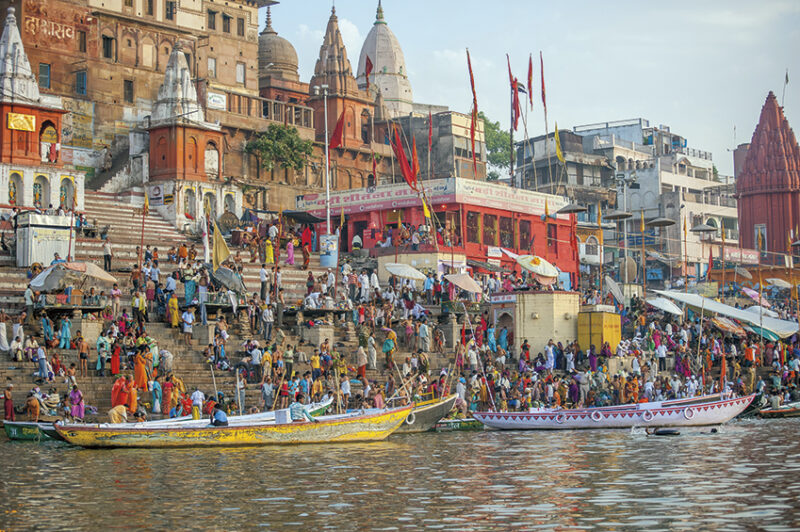
Crowds of pilgrims fill the ghats at Varanasi, Uttar Pradesh, India, bathing and offering rituals on the banks of the Ganges. This scene shows the new generation’s increasing interest in heritage travel and shared spirituality.
A new wave of young South Asians started promoting heritage, spirituality, and temple traditions as meaningful responses to modern pressures and trends. Public figures and virtual storytellers are redefining faith as identity, wellness, and community in today’s world. Neil Naidu writes on the shift towards spirituality amongst his community.
As India and the global South Asian diaspora face rapid change, a cultural movement has quietly started. Young adults return to temples, devotional practices, heritage travel, and spiritual content by choice, rather than obligation. This isn’t just about nostalgia, but also a fresh way to express identity, comfort, and community for a generation facing global pressures.
In recent years, multiple young Indians and diaspora youth have embraced “shrine-cations,” which blend spiritual travel with leisure and cultural exploration. Destinations once popular for older generations are now attracting the new generation.
Many young South Asians students and working professionals are exploring temple tourism. Cities like Varanasi, Kedarnath, and Rishikesh, as well as ancient pilgrimage routes, are attracting more young visitors.
These trips offer more than rituals. They provide ways to take breaks from digital life, find mental rest, and reconnect with roots that may feel distant to the young South Asian. For many, these experiences serve as a “mental exhale,” allowing for reflection and a deeper connection to their roots.
These trips are viewed as journeys of self-discovery, cultural reconnection, and mental reset. For those living abroad or in fast-paced cities, spiritual travel provides faith, as well as nature, community, peace, and reflection.
This returning connection to spirituality is not only limited to travel or temples. The presence is also significantly growing online. Spiritual influencers and faith-tech services are rapidly making religious rituals accessible to South Asians worldwide. For tech-savvy millennials and diaspora youth, temple livestreams, online puja services, and spiritual videos have been a boon in building that.
The reason? Young devotees are adopting personalized spirituality via sacred travel, meditation, storytelling, and devotional music opening discussions about mental health, identity, and belonging.
Tanya Mittal is one public figure representing this spiritual movement. Known for her TV and social media appearance, she posts about her devotional thoughts and visits to temples. She is a role model for many in India as she demonstrates a lifestyle that incorporates entrepreneurship and cultural pride.
Her social media presence makes spiritual living relatable to younger audiences who may see traditional practices as irrelevant or outdated. For many, seeing someone like her value tradition publicly delivers both permission and representation, reminding us that spirituality and modern ambitions can coexist today.

Another key figure in this movement is Jaya Kishori, a motivational speaker and spiritual storyteller who shares insights on Hindu mythology, personal growth, and life lessons.
Her kathas, bhajans, and “Satsang” often reflect ancient teachings for modern issues such as mental health, relationships, and purpose. For young audiences, Jaya Kishori’s message deliver spiritual grounding and emotional support.
Why this movement matters?
For South Asians living outside of India, especially in places such as Silicon Valley, New York, Dubai, or London, identity is complex. South Asians blend ancestral roots, immigrant experiences, and modern careers to build their space in the community. A new wave of spiritual content and shrine-travel creates a connection to heritage, providing a choice where faith, mental wellness, and ambition coexist. Many diaspora youth experience a sense of belonging and cultural pride amid this spiritual revival, even as they handle mixed identities.
My Final Thoughts.
What we are seeing is beyond a transient trend; it reflects a cultural transition as a generation reanalyzes identity, faith, and belonging. Through temple travel, devotional music, online storytelling, and prayer, South Asians today are formulating a new wave of spirituality that blends ancient roots with our contemporary mannerisms. Public voices, from the well-known to daily seekers, are shaping this movement, which encompasses you, me, or any individual. It narrates an evolving story about being a young South Asian in a global context.
Images: Shutterstock and PIB