Fake or Not Fake – How to Trust a Shared Photo?
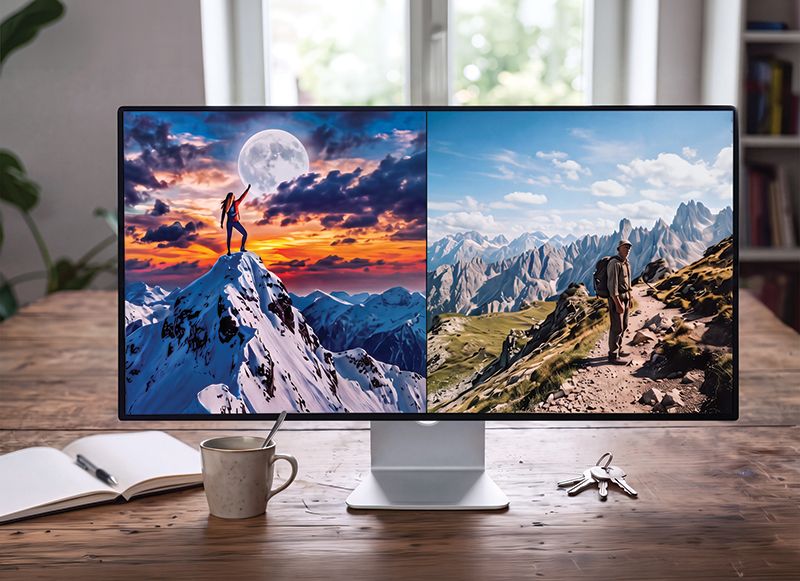
(Above): Image: Adobe Firefly
Photos often influence insurance claims, investigations, and creative work, but what if recipients may not have the original for comparison. What image integrity can and cannot establish, can be very crucial. SteMi Labs’ has an approach to verifying signed images without the original, writes Maria Alekhina.
It felt more personal after I was involved in a car accident. No one questioned the photos of the damage in my case. But what if one had been edited before an insurance adjuster saw it? A digitally added dent could increase the repair estimate and create a dispute over which damage the accident caused. If the adjuster had only the submitted file, how could they tell whether it matched the photo taken after the crash?
The question extends beyond insurance. Investigators may need to know if an evidence photo has changed. Photographers and other creators may want to check whether an image shared under their name still reflects the version they released. In each case, it helps to separate two questions: 1) Does the image accurately show what it claims to show? 2) Has its visual content changed since a known point in time? The first requires context and other evidence. Image integrity addresses the second. My friend from SteMi Labs raised a question a couple of months ago: How can you check whether a photo has been altered if you don’t have the original? Metadata can provide useful information about an image, but it can be removed or changed as files travel between people and systems. Photos help people assess accident damage, review insurance claims, and examine evidence during investigations, all at the same time.
A file passes from one person to another, and the recipient may not know what happened to it along the way. That’s how our conversation about image integrity began.
The team at SteMi Labs is exploring how to answer that second question. PixelSeal signs an image at a point when its users choose to trust, such as before sharing it. Someone who receives the signed image can later check whether its visual content has changed without obtaining the original. PixelSeal does not rely on metadata for verification; the integrity information is embedded directly into the image itself. If no valid seal is found, the result is unverified; that result alone does not tell us why.
You can try the demo at demo.stemilabs.com. You can learn more about PixelSeal at stemilabs.com. We are exploring how this approach could fit insurance, investigative, and creative workflows.
A successful verification shows that the signed image’s content has not changed since signing. It cannot establish whether the scene was real in the first place or who owns the image. I find this idea compelling and would like to hear from people who rely on images: Where would such a check help, and where might it fall short?