The Community Amp – Resonating Your Voice
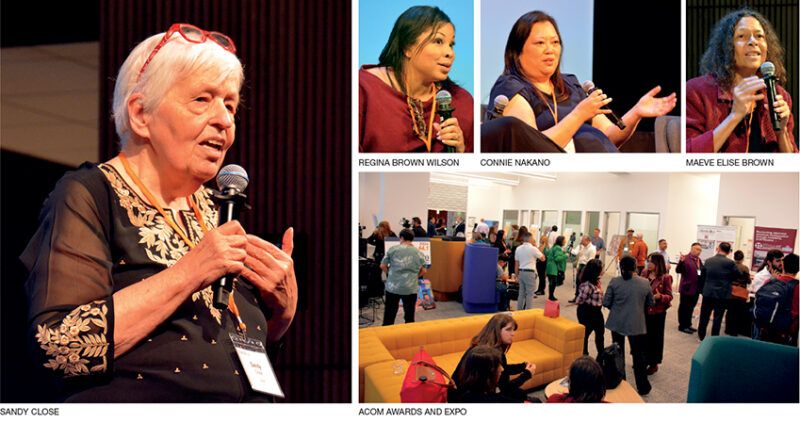
The history books will record another year of resilience for community reporting. On Nov. 7, the 2025 ACoM Expo & Awards convened at the PG&E Conference Center, bringing together a diverse mix of ethnic media. Janam Gupta reports on the rising importance of “High Touch Media.”
Conversations about the future of community messengers decked the halls of the PG&E Conference Center. I am talking about ethnic media, of course.
A yearly convening, it is the one event that recognizes the importance and hard work of grassroots journalism. With high energy and spirit, the celebration kicked off by the host sponsor, PG&E.
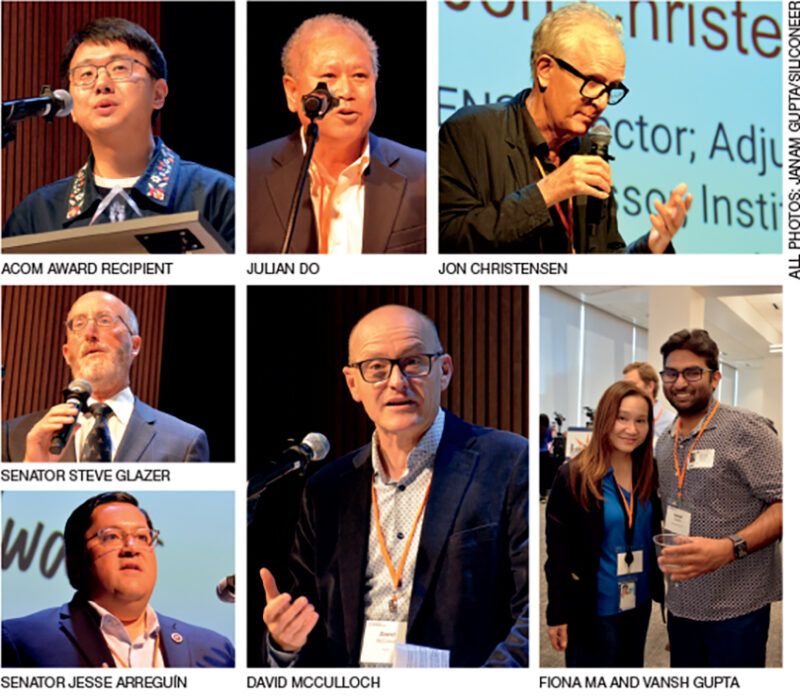
For the past few years, PG&E has taken considerable flak for escalating utility bills. The utility giant addressed the issue head-on. The company claims it is hard at work deploying resident funds toward modernizing the grid, wildfire mitigation, renewable energy infrastructure, and state-mandated programs.
There is a silver lining as the average bill is currently $12 less than it was at the start of 2024, with another drop expected in 2026. For customers looking to lower costs now, PG&E recommends checking if you are on the lowest-cost rate plan, enrolling in Budget Billing to smooth seasonal spikes, or applying for CARE/FERA discounts which can reduce electricity costs by up to 38% for qualifying households.
PG&E also issued a stark warning regarding a sharp rise in scams. They were clear that PG&E never demands immediate payment, threatens rapid shutoffs, asks for gift cards or cryptocurrency, or sends workers door-to-door to inspect bills. Customers are urged to be vigilant and report suspicious contact immediately.
Finally, PG&E showcased a host of high tech equipment. The main headliner was their drones. These drones will be used for fire safety and power outage tracking.
Following the morning presentation by PG&E, the conference shifted gears and the real talk about ethnic media started.

In Silicon Valley, the obsession is usually with the “next big thing,” and recently that conversation has been dominated by AI and automation.
But in Oakland, the conversation shifted from automating news to the significance of human-powered journalism. The theme was loud and clear: the power of “High Touch Media” in the age of AI. For decades, mainstream outlets and tech giants have tried to crack the code of “engagement.” Yet trusted ethnic and community media, often operating on shoestring budgets, remain the original “high touch” platform. We are not just the voices of the community, but the platform people rely on for information.
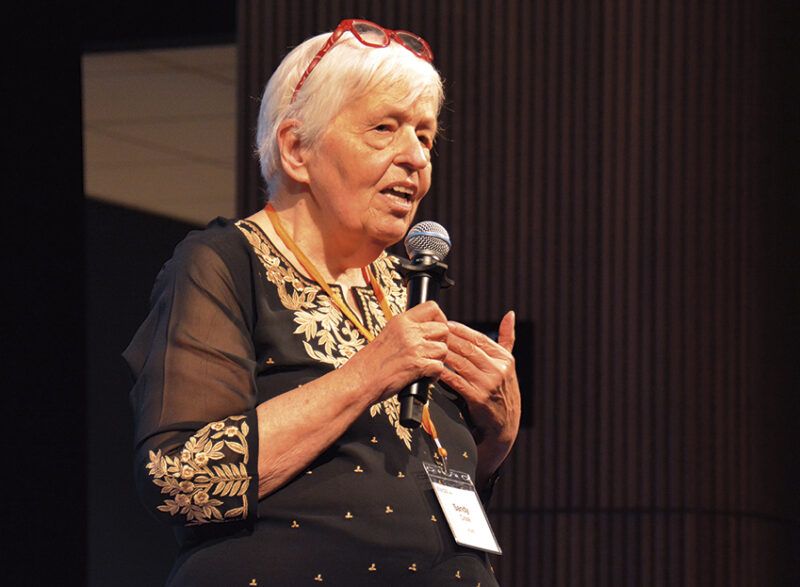
Sandy Close, Executive Director of American Community Media, set the narrative with a powerful message. “Our goal today is to showcase the enduring value of ‘high touch’ media – media born out of the very communities many of you serve, informing, engaging, connecting. In this emerging era of Artificial Intelligence, we are here to celebrate the journalists… who make this unique form of journalism possible.”
The narrative that ethnic media is a “niche charity case” was shattered by Regina Brown Wilson of California Black Media. She detailed a massive mobilization during the recent election cycle where a coalition deployed $21.3 million in advertising capital to ethnic media in less than 30 days. The “big guys” like Google struggled with authorization and red tape. It was the agile, on-the-ground ethnic media ecosystem that executed the heavy lift, ensuring communities knew their voting rights when it mattered most.
As Wilson put it, she had to “build the Titanic… and make sure we didn’t hit the iceberg,” proving that when stakeholders need to move the needle, they cannot rely solely on programmatic ads. The community press is the need of the hour.
A similar sentiment was shared by Jon Christensen from UCLA. While AI can aggregate data, it cannot replicate the empathy required to bridge divided communities. The antidote to AI-driven polarization isn’t better code but high-touch journalism highlighting stories about our parks, our housing, and our health, told by the people who actually live there.
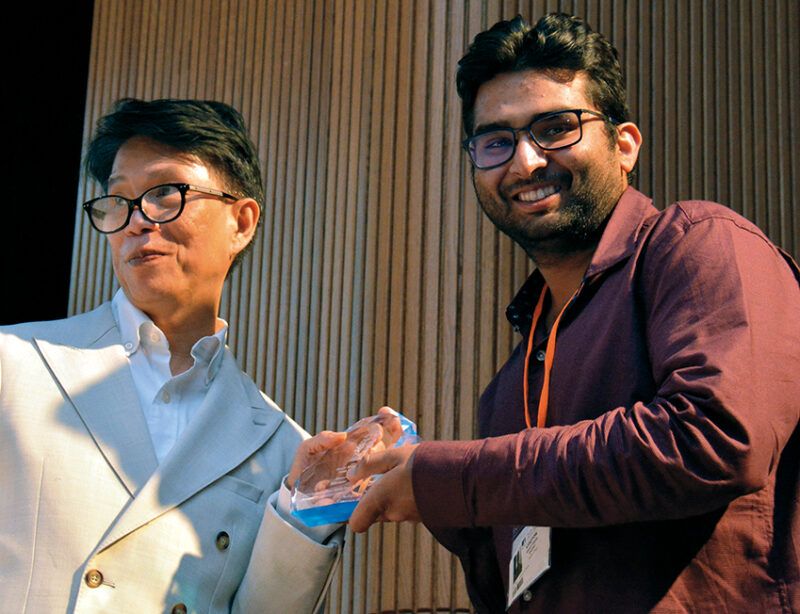
The event concluded with awards celebrating high-class reporting from diverse outlets. We at Siliconeer are honored to have received special recognition as the voice of youth in the community. We thank our readers and writers for making Siliconeer the go-to source for South Asian youth.
Even though this was a celebration of ethnic media, this gathering wouldn’t be possible without the matriarch of our industry, Sandy Close. As the torchbearer for the ethnic media dialogue in America, we are thankful for her endless support and applaud her ability to gather a community that is historically sidelined.
Sandy Close now moves to a senior advisory role, as we warmly welcome Jaya Padmanabhan to guide and support us as the new Executive Director of American Community Media. As we look toward 2026, the message is clear that ethnic media is “High Touch.” Whether it is advocating for inclusive advertising bills in Sacramento or debunking disinformation in our WhatsApp groups, community media is doing the work that AI simply can’t. Marketers, we hope you are listening.
The people have spoken, and community media has shown its power. As Sandy Close put it, we strive to continue “storytelling from the inside out.”
All images: Janam A. Gupta/Siliconeer