When Immigrants Dare – Silicon Valley Beckons
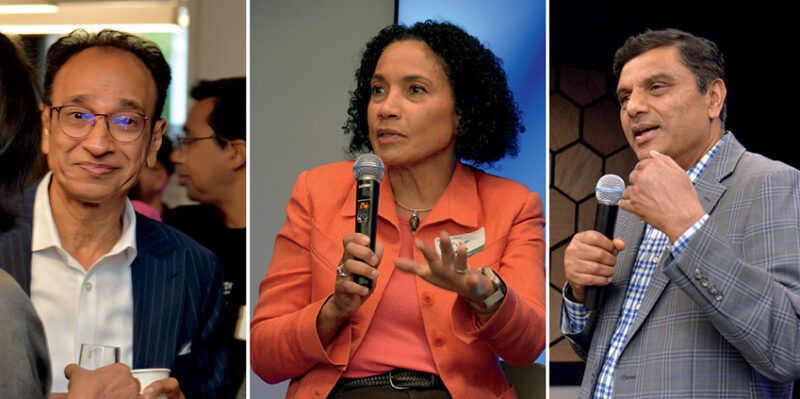
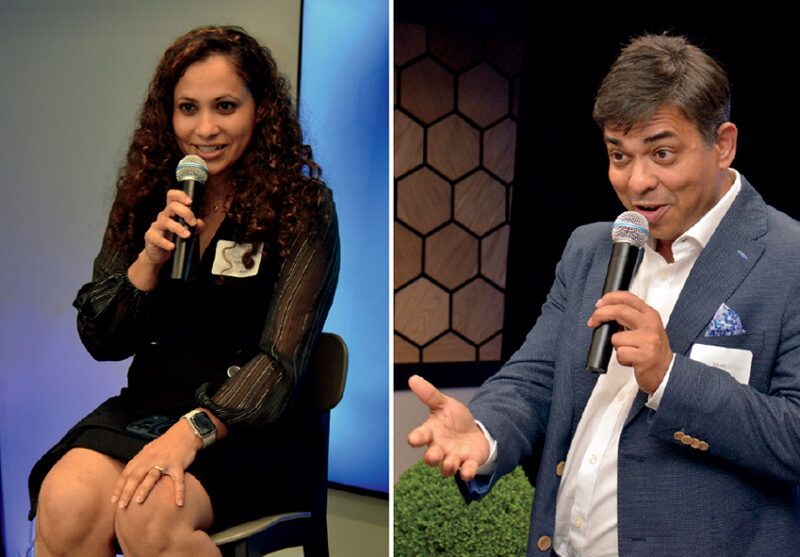
(L-r) Badru Valani, Miriam Rivera, and BV Jagadeesh
The general picture of a CEO is someone suave with billions in stock. Today, many South Asians hold that seat. A new playground powered by South Asian Silicon Valley titans emerged in Palo Alto, Calif., where industry leaders discussed AI’s promise, opportunities, and the evolution of Silicon Valley’s startup ecosystem, during its launch. Janam Gupta and Vansh Gupta were in attendance and present the scoop.
There’s no denying South Asian immigrants have risen to the executive ranks of Silicon Valley. High-profile CEOs like Sundar Pichai, Jay Chaudhry, and Aravind Srinivas (Perplexity AI) are ruling the Valley. Pair that with countless founders that are pursuing their own startups, and we see a new chapter of entrepreneurship brewing. They are all powered by the hottest new darling of the tech industry: AI.
AI is here to stay, and everyone should be embracing it. After all, no one uses a telegraph now, right? It’s always an email or even just a quick text. But people are still concerned.
The resounding narrative around AI has always been about job displacement. While that has some merit, it’s not the whole picture. AI streamlines many of the tedious processes, freeing up our oh-so-precious human capital for more complex tasks, or to use the extra time to make a cup of coffee or chai. AI won’t be competition; it’ll be a companion.
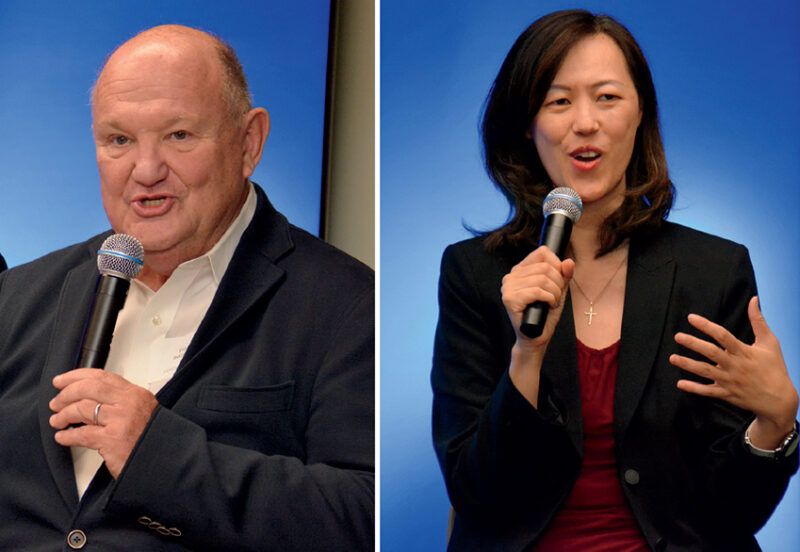
Investor Eric Buatois painted a more nuanced picture: “The way I do my job is totally changed.” AI removes “a lot of the quantitative aspect of the job,” allowing investors to “work on the human dimension.”
The human element is still crucial. When questioned about AI’s impact on entry-level job candidates, Miriam Rivera offered a sobering prediction: “I hope that it will get rid of some of that kind of work so that people can do more value-added work.” Simply put, AI will filter through the junk and identify inconsistencies, but the crucial human judgement in nuanced situations makes college graduates with a specialized skillset even more valuable.
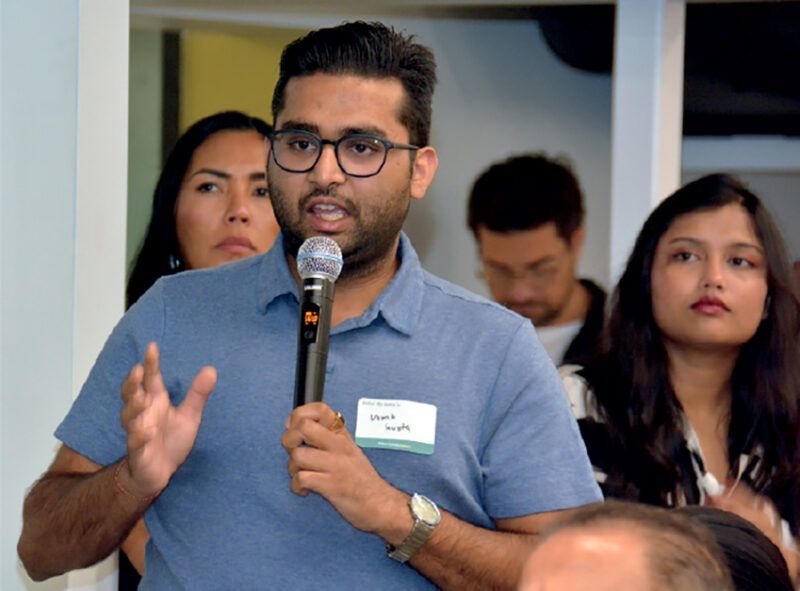
One thing stood very clear: human talent is irreplaceable. Humans, specifically immigrants, power AI and without them, there wouldn’t be AI at our fingertips.
A scroll through LinkedIn reveals a trend: many AI startup founders are immigrants. Investor Miriam Rivera acknowledges this: “… many of the most successful companies in Silicon Valley have had immigrant founders. I believe wholeheartedly that immigrants, first generation college [students], low-income people, have a lot to contribute to this country and to technology.”
This is a point the current administration has over-looked. The panelists agree that $100K per H1-B visa is extreme and the U.S. economy will face consequences. Companies like Apple and Amazon are well established globally, especially in India. For them, it’s a simple pivot. Over 70% of the H1-Bs go to Indian immigrants, so what’s better for big tech than to hire straight at the source. Rivera explains how, “we are shooting ourselves in the foot from a competition perspective. We’re actually trying to create a brain drain.” The Silicon Valley, long powered by immigrants, could potentially lose its prideful inventory of immigrants that drive innovation and success. AI specialists will turbocharge foreign economies, simultaneously taking away from the U.S. That’s the beauty of the tech industry; the cloud covers the entire globe.
However, change is constant. As pointed out by a VP at Intel, Vivek Prasad, the administrative cycle is temporary with an expiration date of every 4 years. Business cycles are long term.
The big hit is taken by the real heartbeat of Silicon Valley: startups. They don’t have the massive infrastructure in place like the bigger players. For them, the talent immigrant professionals provide is like oxygen. Without the fire burning, innovation in the Bay would suffocate.
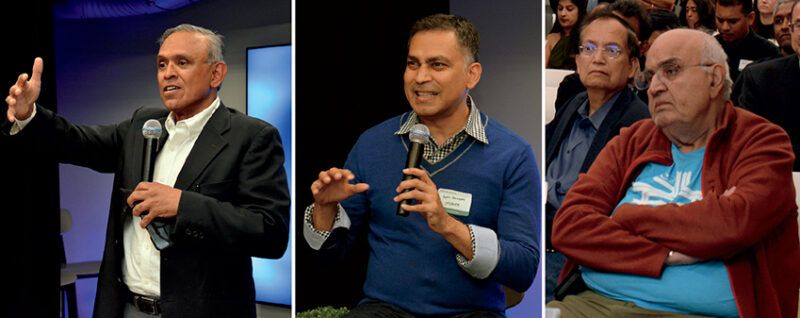
Investor Gopi Rangan reflected on the dramatic role transformation: “When I graduated from college in the mid 90s… We were Indians… code coolies. We were building things, writing code to make someone else’s dream happen… And finally, now, every board is asking, where’s your Indian CEO?” Immigrants, who were once the background labor force behind building products are now moving into the boardrooms, steering companies, and disrupting industries. Immigrants are no longer just contributors; they are leaders shaping the future of the Valley.
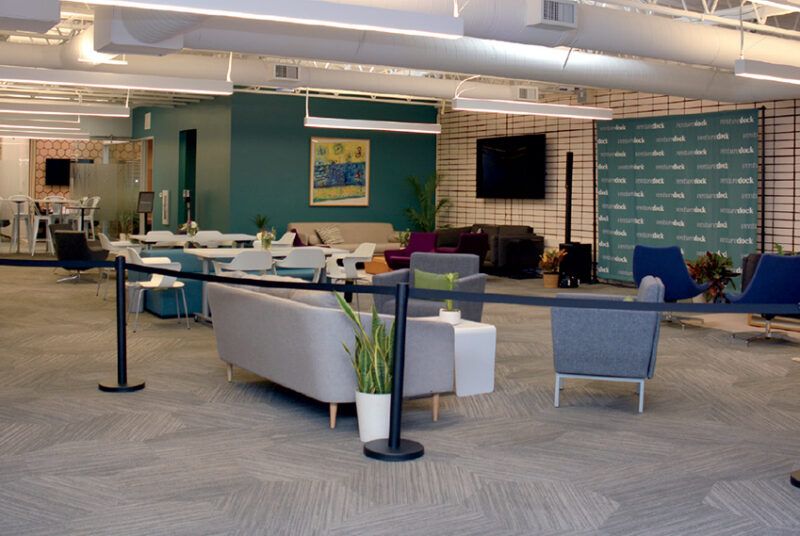
To foster the next generation of innovators and founders, a new breeding ground for startups has emerged in the renowned startup valley – Palo Alto. Venture Dock launched its hub as a founder-first ecosystem where early-stage entrepreneurs can find the community, resources, and network needed to succeed. Powered by Silicon Valley South Asian titans, the core team includes Badru Valani (Founder and Managing Partner), BV Jagadeesh (Co-Founder and Partner), Vivek Vipul (CEO), Murali Chirala (Co-Founder and Partner), and Lochan Alagh (COO), all known for their contributions to the Valley – whether it’s funding, innovation, or powering the web.
The timing couldn’t be more critical. As Deborah Liu, who built Facebook Marketplace, pointed out: “The founders who know what [the] problem is are so different than ones who want to start a company.” Immigrant founders know the problems they’re solving – because they’ve lived them. Initiatives like Venture Dock ensure the Valley continues to nurture the people driving innovation: the engineers-turned-CEOs, young entrepreneurs, and the immigrant founders.
The Valley has always thrived on the collision of ideas, people, and resources. What’s changing is the cast of players leading that charge. Immigrants who once built the backbone of tech firms are now in the driver’s seat. And who knows this better than the immigrant founder? In an era of policy uncertainty, Venture Dock represents Silicon Valley’s answer: double down on what made it great in the first place.
Co-Author:
Vansh Gupta is pursuing his MBA at SJSU. He is Managing Editor and CMO at Siliconeer.
All photos: Janam Gupta/Siliconeer