Quiet vs. Loud – Japan vs. U.S. Tech Culture
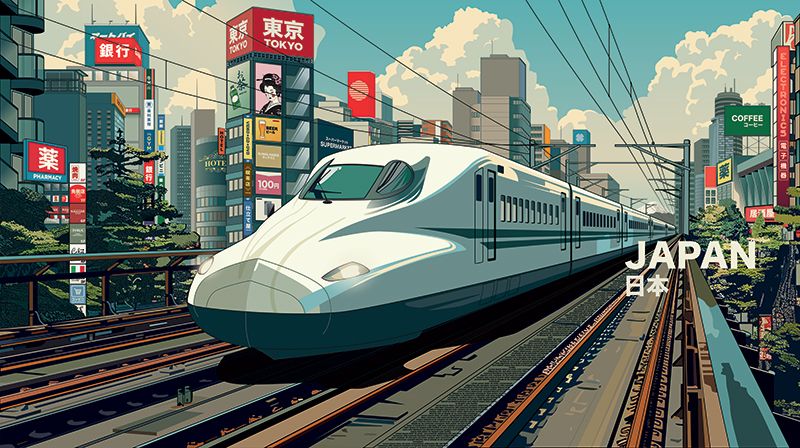
Technology is present everywhere in our daily lives; however, its application varies significantly from one country to another. Japan and the United States are two of the world’s most technologically advanced nations, but their technology habits and preferences are remarkably different, writes Dharani Purushotham.
We are surrounded by technology every day. Our phones and computers consume us in our daily lives. On a recent trip to Japan, the contrasting application of personal technology was eye-opening. It is a strong reflection of their culture and values as compared to the ones in the US. From cell phones to transportation to payment technologies, there was a noticeable trend in the ways Japan uses technology compared to the U.S.
Smartphones: The Same Devices, Differing Habits
Both Japanese and Americans rely heavily on smartphones, but in different ways. Americans text, watch videos, scroll through Instagram and TikTok, or blare their Google Voice, Siri, or now ChatGPT voice assistants. I know, I enjoy exaggerating things. But there is a point to be made.
In Japan, phone usage is less in-your-face, especially in public. It is considered impolite to speak on the phone when riding the train, or the bus, etc., so people use silent features like texting or email.
Point A to Point B
There really aren’t many surprises here. It is a common belief that the public transportation system in U.S. is a bit lacking. Especially in the West Coast. Meanwhile, Japan has had the Bullet Train for as long as I can remember.
In Japan, the public transport system is popular and shockingly timely. The Shinkansen, subways, and buses are some ways of getting from one place to another. While I was in Japan, my host sister and I went to school via bus. My host sister used a rechargeable IC card (bus pass) called “Suica” to board the bus and told me that she could even use it for vending machines or convenience store purchases. It’s so convenient! Imagine not carrying multiple cards for different purposes!
On the other hand, the US is much more car-dependent, especially outside of major cities. While public transportation exists, it’s often slower, less reliable, and usually does not connect all places. Ride-sharing services like Uber and Lyft are more common in the US than they are in Japan, where basic taxis and public transportation remain more reliable. Fear not, American companies have begun introducing robot taxis, fully autonomous (driverless) vehicles in many cities, and they are gaining popularity. Noticed the Waymo cars lately?
Vending Machines: Japan Pioneers
Japan is world-famous for its high-tech vending machines. They are available everywhere, from train stations to hiking trails, and they do not just vend drinks. You can buy umbrellas, hot food, phone chargers, and even toys from them. Some use facial recognition or touchless payment methods. In contrast, vending machines in the United States are usually stocked with snacks and drinks and are much less common in public spaces.
Robots Everyday vs. Specialized Robots
Japan has embraced robotics in everyday life. In some stores and hotels, you’ll see robots greeting customers, delivering room service, or guiding visitors. Even convenience stores like Lawson are experimenting with automated checkout and shelf-stocking robots. Pretty neat!
In the US, automation is also growing; you’ll commonly see things like self-checkout in grocery stores, customer service chatbots, or warehouse robots in the Amazon warehouses. However, they don’t seem as prevalent in daily life as in Japan.
Cash is Still In?
The real surprise came when I went shopping in Japan. So far, Japan had been this technologically advanced utopia that excelled in electronics and robotics. To my surprise, Japan still maintains a cash culture. Most places—especially small restaurants and shops—prefer to have cash, and ATMs are still popular. Mobile payments like Google Pay or Apple Pay are on the rise, but not as much.
At the same time in America, tap-to-pay, credit cards, and mobile payments are accepted more frequently even for small purchases. I don’t remember the last time my friends and I used cash to pay here. You can go for days without ever using cash at all.
Tech Etiquette and Culture
Japanese technology culture is inclined towards privacy and politeness. For instance, individuals often use phones with privacy screens to ensure others cannot view what they are doing. Public phone calls do not happen. Earbuds are worn pretty much everywhere, and quiet spaces are respected.
In America, individuals are less formal when it comes to technology in public—talking on the phone, using speaker mode, or even asking questions to smart assistants out loud.
Japan and America may be technological innovators, but the way they utilize technology on a day-to-day basis reflects the underlying cultural values—privacy, convenience, and societal norms. From the vending machine purchase of ramen to an American tapping a phone to purchase coffee, the technology is practically the same, while the experience and application are entirely different.