Beyond the E-Word – America’s Ignored Market

Immigrant-founded companies generate $8.6 trillion in revenue annually. Nearly half of Fortune 500 companies—46%—were founded by immigrants or their children. Yet somehow, Wall Street continues to chase mythical “average users” while completely ignoring the ethnic communities reshaping American consumer behavior. While tech bros debate AI alignment, Vansh Gupta highlights the brewing industry of ethnic-oriented businesses. Yes, we dared to say “ethnic.” Sue us.
Today’s marketing feels like it was designed by someone who gets their cultural insights from TikTok memes. Take Lexus. Their YouTube and Hulu ads speak to Indian American customers as sophisticated consumers who might genuinely consider buying a luxury car. Yet their Instagram campaigns persistently show Indians with weddings, coconuts, and curry. It’s not just culturally tone-deaf. It’s comically stupid. I wouldn’t buy a Lexus after seeing those wedding ads, but I’d seriously consider one with Blair Underwood explaining how the standard has been raised. My parents, Lexus’s perceived target demographic, feel the same way.

This offensive targeting reflects a much bigger blind spot in corporate America. Asian American buying power hit $1.6 trillion in 2024. These households earn 41% more than the national average. MIT research shows immigrants are 80% more likely to start companies than native-born Americans. Hispanic households alone represent $2.8 trillion in buying power. Yet these communities remain systematically underserved by brands that should know better.
Immigrants crave quality and authenticity. For them, value and feeling valued go hand in hand. But sure, let’s keep optimizing for mythical “general market” consumers with tired stereotypes.
The same patterns emerge across industries. DoorDash and Instacart excel at speed and convenience, but finding authentic ethnic ingredients becomes a guessing game. Vietnamese families aren’t just looking for pho ingredients—they want the shopping experience that comes with understanding why specific herbs matter for certain dishes. There’s a communication gap between platforms optimizing for efficiency and communities seeking authenticity.
That’s why platforms like Weee! are scaling fast while established players struggle with “better algorithms.” Korean beauty brands didn’t explode globally through traditional social media advertising. They grew through authentic community building on social platforms, where Korean-American customers became cultural ambassadors to broader markets seeking quality and authenticity.
Meanwhile, established brands are still scratching their heads about why their “diverse casting” isn’t moving the needle. The issue? Most companies treat authenticity like a marketing tactic instead of a business fundamental. Traditional banks can’t penetrate ethnic communities. DoorDash keeps trying to crack ethnic markets through technology. But success in these spaces requires something you can’t download from GitHub: cultural competence built through decades of lived experience.
Social commerce is projected to hit $71.62 billion this year. TikTok Shop generated over $100 million in Black Friday sales in 2024. Etsy and Shopify are rising stars in the e-commerce space. Remember Pinterest? Even they are dabbling into the social commerce space. Although, we have yet to see how they will succeed.
Guess what’s leading this charge? Ethnic entrepreneurs building authentic products and relationships while major brands template Canva ads for Facebook and Instagram.
Most “competitive advantages” will disappear faster than an iPhone’s battery after a software update. AI has democratized technology. But ethnic market expertise is different—it’s unique, niche, and impossible to replicate without authentic community connections.
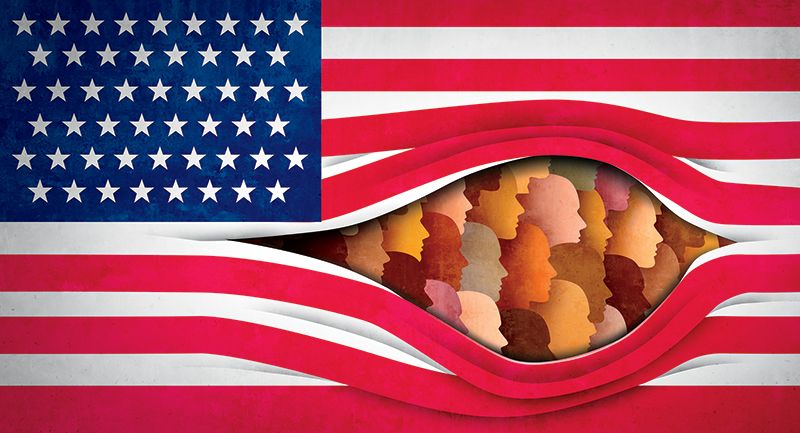
Here’s why ethnic markets represent the most compelling investment opportunities hiding in plain sight: growing purchasing power that’s accelerating annually, underserved demand where 60% of consumers will pay premium prices for brands that align with their values, and natural competitive moats. Hispanic-focused stores don’t compete with Korean stores. Indian restaurants don’t overlap with Filipino restaurants. These segmented markets allow focused players to build deep expertise without direct competition from adjacent ethnic markets. That is why some of the most successful restaurateurs of metropolitan America are ethnic.
Ethnic businesses serve identity, community, and cultural connection—pricing power most businesses dream about. The new formula for success doesn’t necessarily lie in technology know-how anymore. We can imagine, prompt, and build within hours using AI. Consumer research shows that authentic cultural connection creates premium pricing opportunities that transcend traditional market dynamics.
Here’s my contrarian take: while everyone’s chasing the next AI unicorn, the next billion-dollar venture will be the first to authentically capture multiple ethnic markets under one brand without losing cultural specificity. Hints of this can already be seen across various industries.
For entrepreneurs from immigrant families, this represents a unique moment. Personal cultural experience combined with business acumen creates competitive advantages that established players struggle to replicate. The key is solving real problems, not just starting businesses for the sake of starting businesses.
Most of Silicon Valley will miss this opportunity. They’ll keep optimizing for mythical “average users” while ethnic entrepreneurs build billion-dollar brands serving specific communities authentically, then expand that authenticity to broader markets.
The ethnic economy is just getting started. The question isn’t whether this trend will continue—the data shows it’s inevitable. The question is: who will recognize the opportunity first? While mainstream companies chase AI alignment, smart money is betting on cultural alignment. The ethnic market isn’t a side hustle. It’s the main event. America, are you listening?
All images: Adobe Stock